Can a Tubular Skylight Light a First-Floor Room?

3 min read
Often, yes. A system can run from the roof to lower floors as long as there is space for the tube run, usually enclosed in a protective chase. For best light output, Solatube recommends tube lengths of no more than 20 feet for the 160 DS and 30 feet for the 290 DS.
A two-story home does not rule out a tubular skylight. The question is whether there is a workable path from the roof down to the room you want to brighten.
How light reaches a lower floor
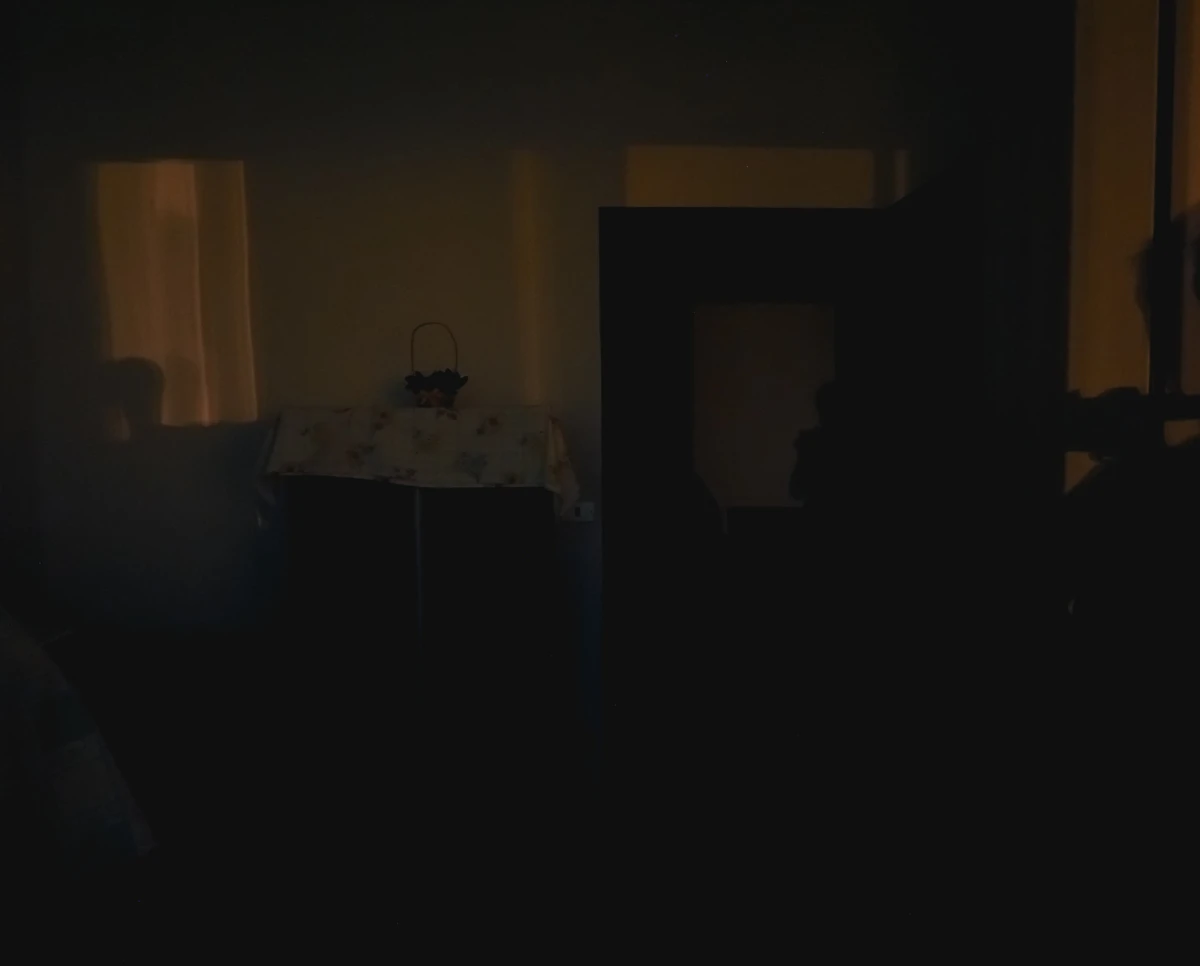
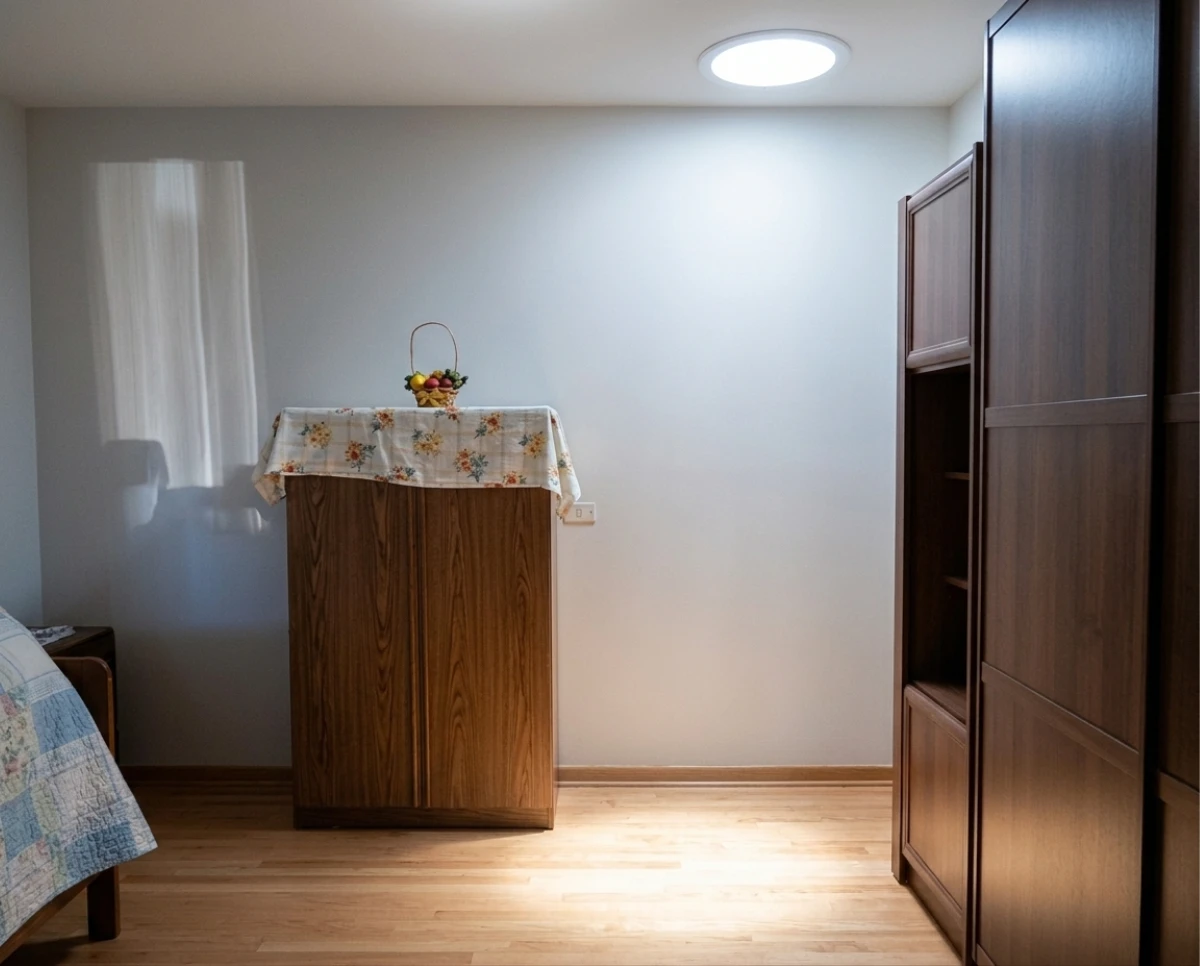
The roof dome collects daylight and reflective Spectralight® Infinity tubing carries it down. The tubing is designed for minimal light loss and maneuvers around obstructions with no structural changes required. Optional angled tubing can create turns of up to 90 degrees, including more than one turn in the same run. For a multi-story run, a chase or enclosure is usually built around the tubing for protection. Berkeley Lab researchers note that tubular devices need a much smaller roof opening than conventional skylights and, because the tube can curve and bend, can deliver daylight to areas far from the building envelope that windows and conventional skylights cannot reach [1].
Plan the route
- Find a path. Look for space between the room’s ceiling and the roof, such as a closet, a wall cavity or an unused chase, and check for framing, plumbing and wiring in the way.
- Measure the distance. Compare it with the recommended maximum lengths: 20 feet for the 160 DS and 30 feet for the 290 DS. Output can decrease as the tube gets longer than that.
- Keep the route direct. Planning a direct route with only the bends you need helps make the most of the available daylight. Runs over 15 feet, or horizontal runs, need suspension wires for support.
- Add tubing for longer runs. Each kit includes 20 inches of tubing, and extension tubes are not included.
- Get the route assessed. Solatube recommends a Premier Dealer for installation, and you should confirm local code requirements before you begin. The FTC advises asking whether your project needs a permit, since most states and localities require permits for building projects [2]. The Department of Energy says it is best to have a professional install a skylight and that the skylight shaft must be insulated and air sealed in the attic [3].
Safety note: Roofs, attics and wall cavities are hazardous. Hire a professional if the route crosses a floor or you are unsure. According to NIOSH, falls cause more construction worker deaths than any other hazard, and roofs, ladders and scaffolds are where they most often happen [4]. See Certified Installation.
Which Solatube for a first-floor room?
The Solatube 160 DS is listed for bathrooms, laundry rooms, closets and hallways, with a recommended tube length of up to 20 feet.
The Solatube 290 DS is listed for kitchens, family rooms, master bathrooms, garages and rooms with high ceilings, with a recommended tube length of up to 30 feet.
Frequently asked questions
Can a Solatube run through more than one floor?
Yes, as long as there is space for the tube run. A system can run from the roof to lower floors, usually with a chase built around the tubing.
Is there a limit to the tube length?
Solatube recommends no more than 20 feet for the 160 DS and 30 feet for the 290 DS for optimal light output. Output can decrease beyond those lengths.
Not sure your home has a clear path?
Find a Premier Dealer for a free consultation, or send us a floor plan sketch and roof details and a Solatube specialist will review the route.
References
- Fernandes LL, Regnier CM. “Lighting and visual comfort performance of commercially available tubular daylight devices.” Solar Energy 251:420–437, 2023 (Lawrence Berkeley National Laboratory). Accessed October 30, 2026. https://www.sciencedirect.com/science/article/abs/pii/S0038092X23000282
- Federal Trade Commission. “Hiring a Contractor.” Consumer information, March 2014. U.S. Government Publishing Office. Accessed October 30, 2026. https://www.govinfo.gov/content/pkg/GOVPUB-FT-PURL-gpo73201/pdf/GOVPUB-FT-PURL-gpo73201.pdf
- U.S. Department of Energy. “Skylights.” Energy Saver. Accessed October 30, 2026. https://www.energy.gov/energysaver/skylights
- National Institute for Occupational Safety and Health (CDC). “Falls Campaign 2022: Making Research Work.” NIOSH Science Bulletin, April 13, 2022. Accessed October 30, 2026. https://www.cdc.gov/niosh/bulletin/2022/falls-campaign.html