Why Paint Looks Different at Home: Light, CRI and Color

3 min read
Paint can look different at home because every light source renders color differently. CRI rates that accuracy, and the Department of Energy recommends at least 80 for interior lighting, with 90 or higher excellent. Solatube’s tubing delivers daylight’s true color with no color shift.
Many homeowners pick a paint color in the store, then find it looks dull or muddy on the wall at home. The light in the room is a common reason.
What CRI means, and what it does not
How the color of an object looks depends on the light source. Color rendering index (CRI) rates a source from 0 to 100 on how accurately it renders colors compared with an ideal or natural light [1]. The Department of Energy recommends a minimum CRI of 80 for interior lighting, and says 90 or higher indicates excellent color fidelity [2]. CRI is different from color temperature, which describes how warm or cool white light looks [2].
CRI is not the whole story. DOE research found that average fidelity alone is a weak predictor of how people perceive color, and that some of the most preferred light sources scored below 80 on CRI [3]. DOE also promotes a newer method, TM-30, that adds more detail [3].
Easy ways to improve color quality at home
- Test paint on the wall. Look at samples in the morning, afternoon and evening, and under your lamps, because color is perceived differently under different light sources [1].
- Check the bulb. Look for a CRI of at least 80, and 90 or higher in rooms where color matters most [2].
- Keep color temperature consistent. When you replace bulbs, choose similar color temperatures. A big change is noticeable [1].
- Add daylight where you judge color. Daylight changes with the sky and the time of day, so check your colors at more than one time.
Where a tubular skylight helps
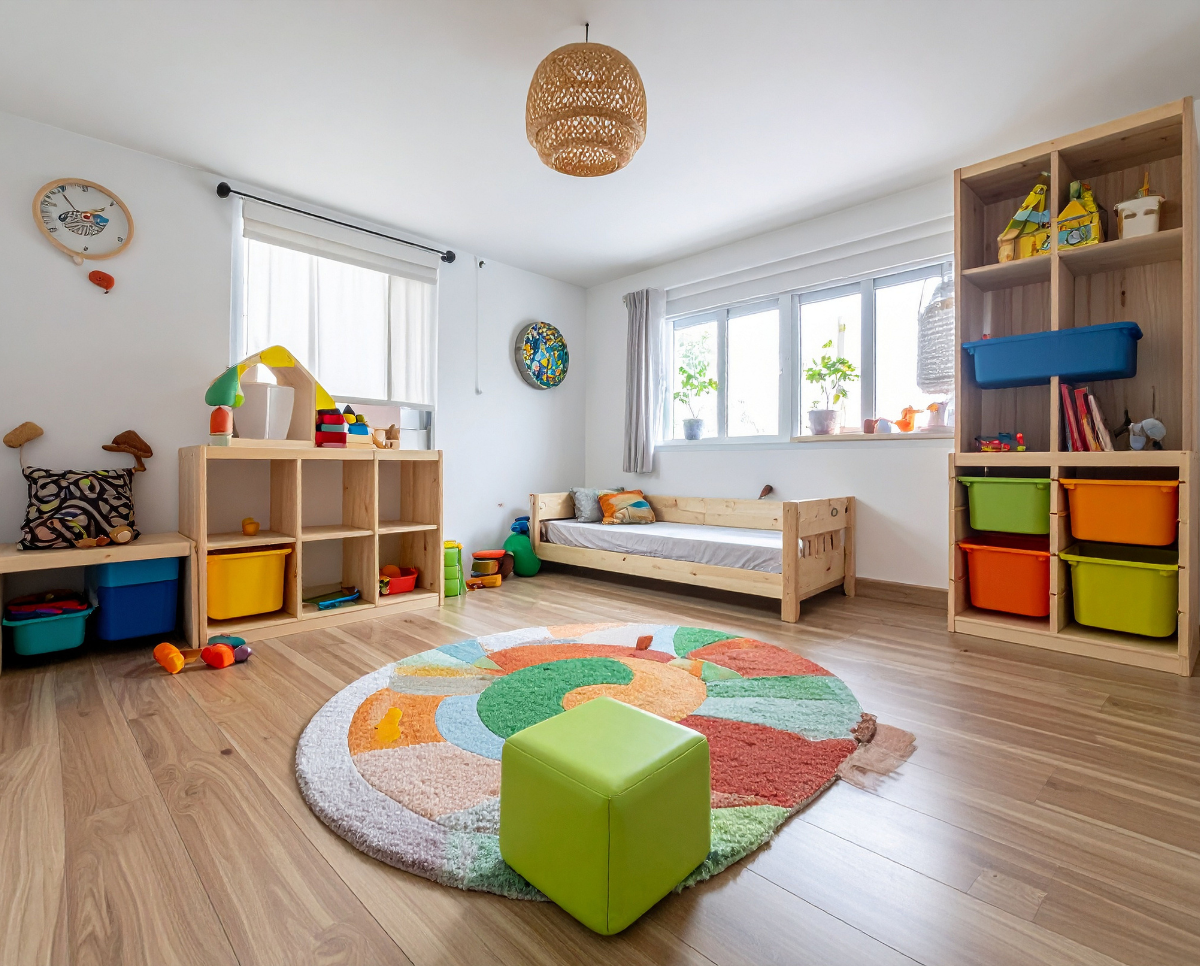
A tubular skylight brings daylight into rooms with little or no window light. Solatube’s Spectralight® Infinity tubing has high color temperature maintenance, which lets it deliver daylight without major color shifts over the day or across seasons. The system also reflects the true color temperature of the sky outside. In practice, the light follows the weather and the hour, and after dark you rely on your bulbs, so a good CRI still matters.
The fixture matters too. Solatube’s Warm Effect Lens deliberately warms daylight to a yellowish, incandescent-like color, and its Softening Effect Lens softens the light. If accurate color is your priority, ask your dealer which lens to choose.
Which Solatube for a color-critical room?
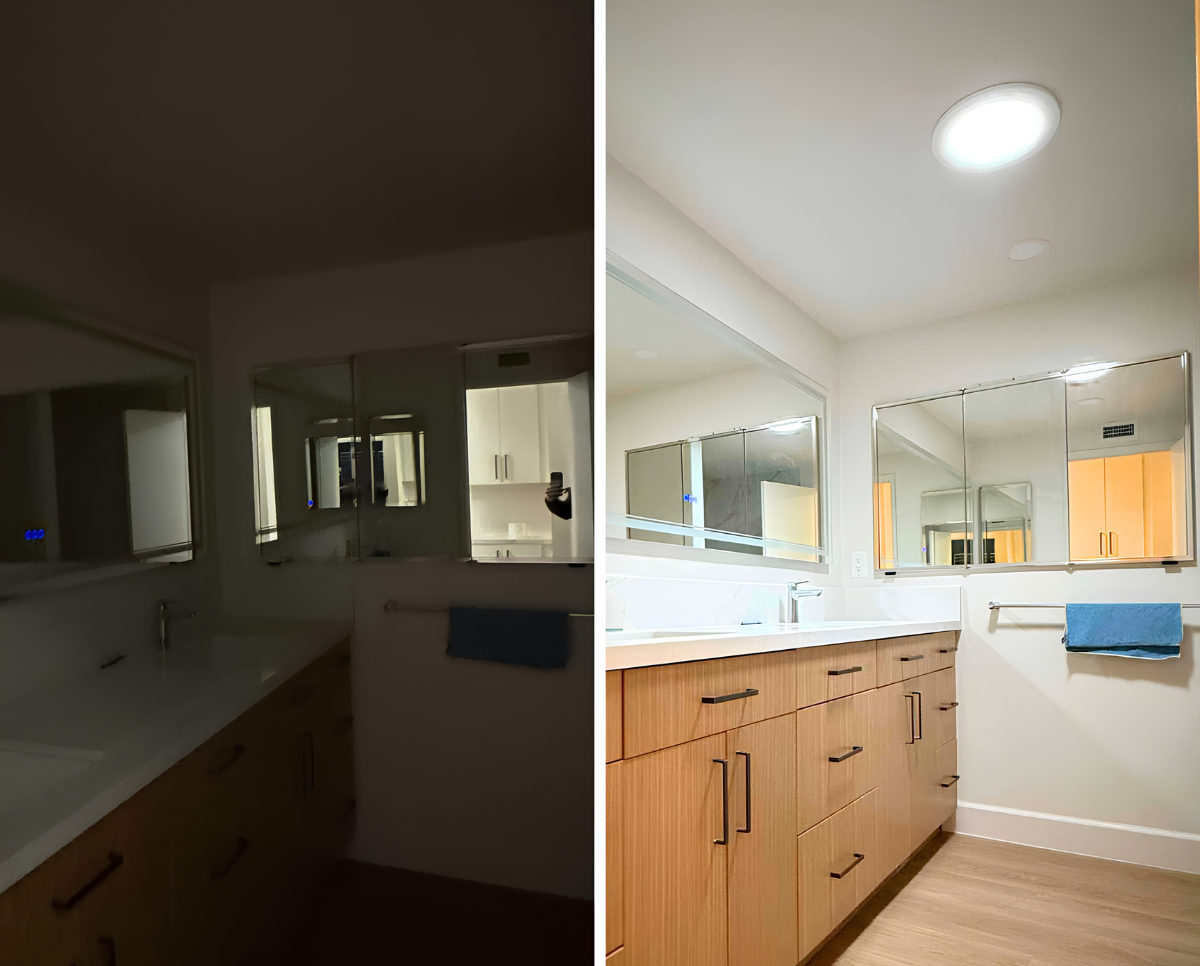
The Solatube 160 DS fits a small room where you judge color, and Solatube lists it for bathrooms, laundry rooms, closets and hallways.
The Solatube 290 DS suits a larger room such as a kitchen or family room, and Solatube lists it for those along with master bathrooms, garages and rooms with high ceilings.
Frequently asked questions
Does daylight have a CRI of 100?
CRI compares a light source with an ideal or natural light [1], so natural light is the benchmark for the scale. Daylight itself changes with the sky and time of day. Solatube’s FAQ describes the color performance of its tubing as high color temperature maintenance.
Is a high CRI enough to get my paint color right?
No. DOE research says CRI alone is a weak predictor of how people perceive color [3]. Always test paint samples in your own room at different times of day.
Choosing colors for a dim room?
Share your room and roof details and a Solatube specialist will match a kit to the space, or find a Premier Dealer near you.
References
- U.S. Department of Energy, Federal Energy Management Program. “Purchasing Energy-Efficient Light Bulbs” (Correlated Color Temperature and Color Rendering Index sections). Accessed October 29, 2026. https://www.energy.gov/cmei/femp/purchasing-energy-efficient-light-bulbs
- U.S. Department of Energy. “LED Basics” (FAQ: What about LED light quality?). Solid-State Lighting. Accessed October 29, 2026. https://www.energy.gov/cmei/ssl/led-basics
- U.S. Department of Energy. “Color and Spectrum.” Solid-State Lighting. Accessed October 29, 2026. https://www.energy.gov/cmei/ssl/color-and-spectrum