More Sun, More Fun by Installing a Skylight in Your Sunroom
1 min read
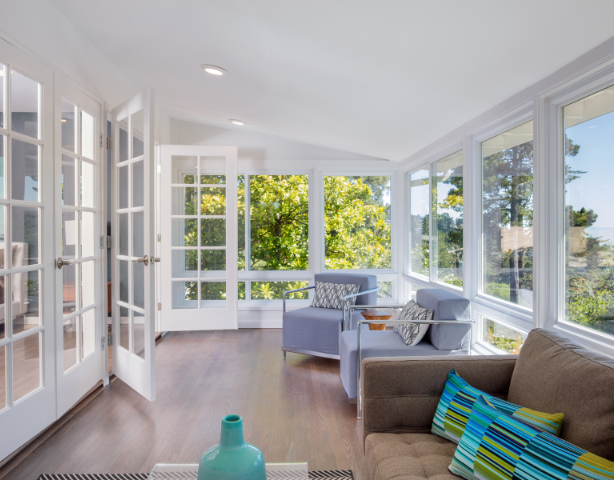
Sunrooms are bright but can still have dim corners and get hot. A tubular skylight adds light to a dim area through a small roof opening, and its small collector limits heat. Check roof direction, shade and the roof structure first, and use shading to manage summer heat.
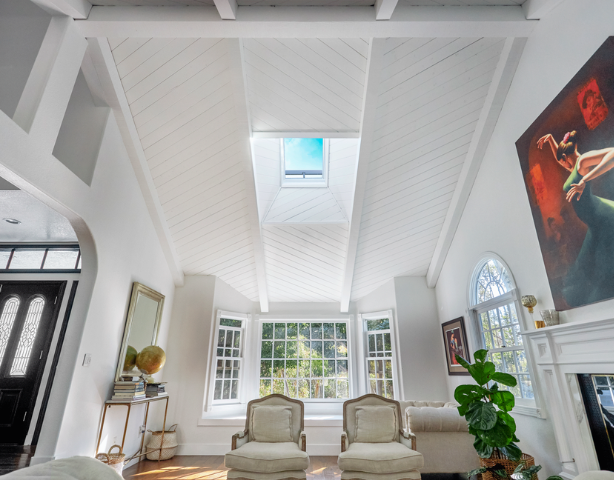
Check these before you add one
- Roof direction. The Department of Energy says north-facing skylights give fairly constant but cool light, east-facing ones give the most light and heat in the morning, and west-facing ones in the afternoon [1].
- Shade and sky. Tubular skylights work best where clear, sunny days are common, and tree shade reduces the light [2].
- Roof structure. Many sunrooms have glass or lightweight roofs, so ask a dealer where a tube and its roof opening can go.
- Who installs it. It is best to have a professional install a skylight [1].
Managing heat in a sunroom
Roof glazing receives almost twice as much heat as an unprotected west-facing window of the same area [2]. A tubular skylight’s small collector minimizes heat gain [1], and exterior shades reduce summer heat more than interior ones [1].
Which Solatube?
The Solatube 160 DS suits a small nook, and the Solatube 290 DS a larger sunroom. Add a daylight dimmer to soften the light when you want to. Our 160 DS vs 290 DS guide compares them.
Frequently asked questions
Will it make my sunroom hotter?
A tubular skylight has a small collector that minimizes heat gain [1], but no skylight removes heat entirely. Shading helps.
Where should it go?
Over the dim area you want to light.
Do I need a professional?
It is best to have one install a skylight [1].
Planning a sunroom skylight?
Send your sunroom and roof details and a Solatube specialist will help you choose, or find a Premier Dealer.
References
- U.S. Department of Energy. “Skylights.” Energy Saver. Accessed October 30, 2026. https://www.energy.gov/energysaver/skylights
- Australian Government, Department of Climate Change, Energy, the Environment and Water. “Skylights and roof windows.” YourHome. Accessed October 30, 2026. https://www.yourhome.gov.au/passive-design/skylights