Solatube USA Blog

Tubular Skylights and Pets: What Daylight Can and Can’t Do.

Posted by Solatube on

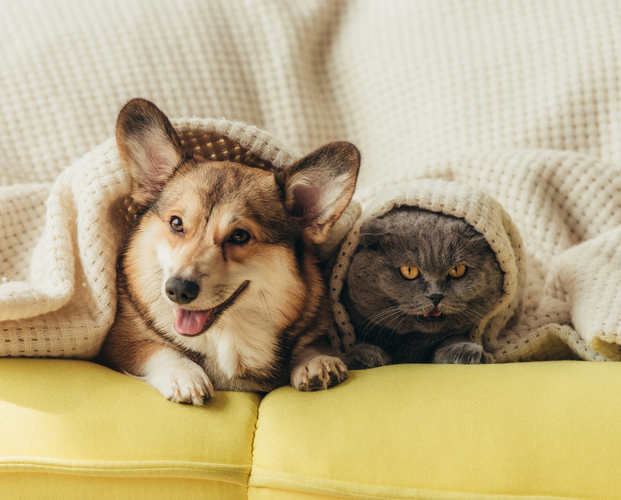
A tubular skylight can brighten the rooms where your pets spend the day, but it is not a health treatment. Dogs and cats get vitamin D from food, not sunlight, and any warm, sunny spot can overheat a pet. Solatube’s tubing filters infrared, which reduces heat gain.Many pets nap wherever the light is. Here is what daylight can do for them, what it cannot, and how to keep them comfortable and safe.What daylight can and cannot do for petsSunlight is not a vitamin D source for dogs and cats. Research found that their skin does not make vitamin D3 adequately, so they depend on it in their diet [1]. If you have questions about your pet’s nutrition, ask your veterinarian.What a bright room can do is give your pet a pleasant place to rest. Veterinarians at Ohio State University say indoor cats need unrestricted access to comfortable resting areas with few stressors, and perches that offer a safe vantage point [2]. Window perches for watching wildlife are also usef

Read more about Tubular Skylights and Pets: What Daylight Can and Can’t Do.

Why Paint Looks Different at Home: Light, CRI and Color

Posted by Solatube on

Paint can look different at home because every light source renders color differently. CRI rates that accuracy, and the Department of Energy recommends at least 80 for interior lighting, with 90 or higher excellent. Solatube’s tubing delivers daylight’s true color with no color shift.Many homeowners pick a paint color in the store, then find it looks dull or muddy on the wall at home. The light in the room is a common reason.What CRI means, and what it does notHow the color of an object looks depends on the light source. Color rendering index (CRI) rates a source from 0 to 100 on how accurately it renders colors compared with an ideal or natural light [1]. The Department of Energy recommends a minimum CRI of 80 for interior lighting, and says 90 or higher indicates excellent color fidelity [2]. CRI is different from color temperature, which describes how warm or cool white light looks [2].CRI is not the whole story. DOE research found that average fidelity

Read more about Why Paint Looks Different at Home: Light, CRI and Color

How to Display Art in Natural Light Without Fading.

Posted by Solatube on

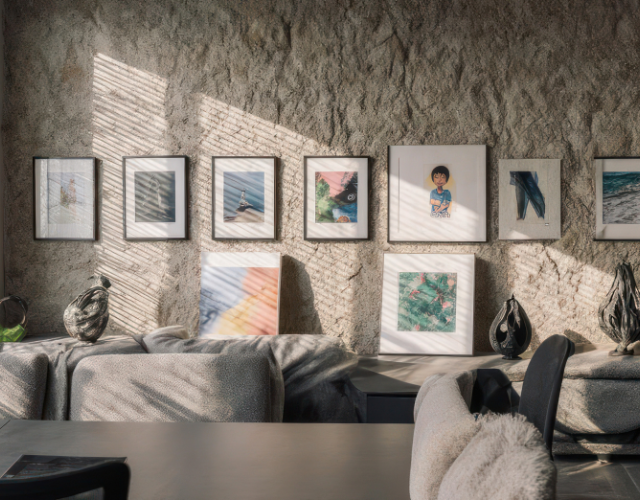
Natural light can show off your art and decor, but sunlight also fades sensitive materials, and visible light counts as well as UV. Keep valuable pieces out of direct sun, filter UV, limit exposure and rotate your display. A Solatube dome is designed to block 100% of UVB and UVC and 98.5% of UVA.Many homeowners want their art and decor in a bright, naturally lit room. The catch is that light, including daylight, can damage what it shines on. Here is how to enjoy both.How light affects art and decorThe Library of Congress says light damage to collection items is permanent and cumulative, and in most cases it cannot be reversed. It shows up as fading, yellowing, darkening, bleaching and brittleness [1]. Sunlight is generally avoided for light-sensitive items because it is intense, contains high levels of UV and is hard to control [1]. Visible light matters too: even with all UV removed, it still damages collections [1][2].Tips for displaying art in daylightKe

Read more about How to Display Art in Natural Light Without Fading.